Pharmalittle: Bristol multiple myeloma drug approved
And so, another working week will soon come to a close. Not a moment too soon, yes? This is, you may recall, our treasured signal to daydream about weekend plans. Our agenda is still taking shape, but we plan on promenading with the official mascots, catching up on our reading, and hanging with a visiting short person. We also hope to have time for our weekly listening party, where the rotation will likely include this, this, this, this and this. And what about you? As noted previously, this is a marvelous time to enjoy the great outdoors. City streets beckon. And beaches and woodsy trails are closer than you think. You could also curl up with a good book if the weather fails to cooperate, tidy around your castle, or get a head start on back-to-school shopping — the economy could always use a boost. Well, whatever you do, have a grand time. But be safe. Enjoy, and see you soon. …
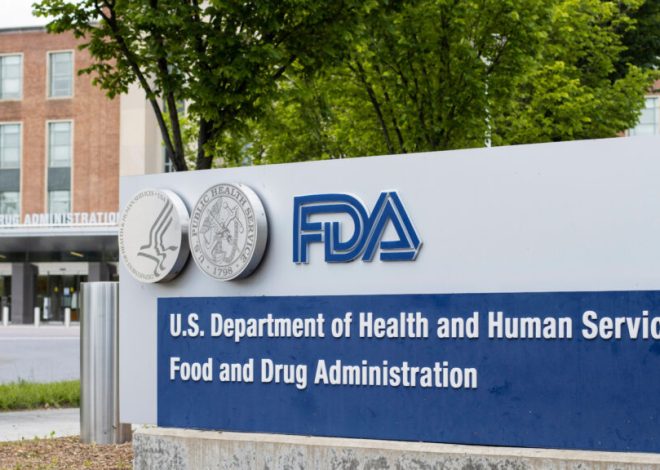
The U.S. Food and Drug Administration approved an oral treatment for advanced multiple myeloma made by Bristol Myers Squibb, marking the debut of a new class of medicine for the blood cancer and the first drug cleared by U.S. regulators using a more sensitive measure of remission, STAT explains. The drug, which will be sold under the brand name Zenbexus, is part of a Bristol research effort to develop a new and more potent class of blood cancer drugs called CELMoDs that work by redirecting a cell’s natural machinery to eliminate cancer-causing proteins.
A U.S. appeals court ruled that a lower-court judge erred in dismissing a $6.7 billion lawsuit accusing Bristol Myers Squibb of cheating former Celgene shareholders by delaying federal approval for three drugs, Reuters writes. In a 3-0 decision, the appeals court decided UMB Bank was entitled to represent Celgene shareholders as a trustee despite an error in how it was appointed. The case arose from Bristol Myers’ purchase of Celgene for $80.3 billion in 2019. Celgene shareholders who held “contingent value rights” were entitled to an extra $9 per share in cash if Bristol Myers won timely U.S. regulatory approvals for three drugs.

This article is exclusive to STAT+ subscribers
Unlock this article — plus in-depth analysis, newsletters, premium events, and news alerts.
Already have an account? Log in
View All Plans
PakarPBN
A Private Blog Network (PBN) is a collection of websites that are controlled by a single individual or organization and used primarily to build backlinks to a “money site” in order to influence its ranking in search engines such as Google. The core idea behind a PBN is based on the importance of backlinks in Google’s ranking algorithm. Since Google views backlinks as signals of authority and trust, some website owners attempt to artificially create these signals through a controlled network of sites.
In a typical PBN setup, the owner acquires expired or aged domains that already have existing authority, backlinks, and history. These domains are rebuilt with new content and hosted separately, often using different IP addresses, hosting providers, themes, and ownership details to make them appear unrelated. Within the content published on these sites, links are strategically placed that point to the main website the owner wants to rank higher. By doing this, the owner attempts to pass link equity (also known as “link juice”) from the PBN sites to the target website.
The purpose of a PBN is to give the impression that the target website is naturally earning links from multiple independent sources. If done effectively, this can temporarily improve keyword rankings, increase organic visibility, and drive more traffic from search results.