FDA gives generative AI in radiology two breakthrough designation nods
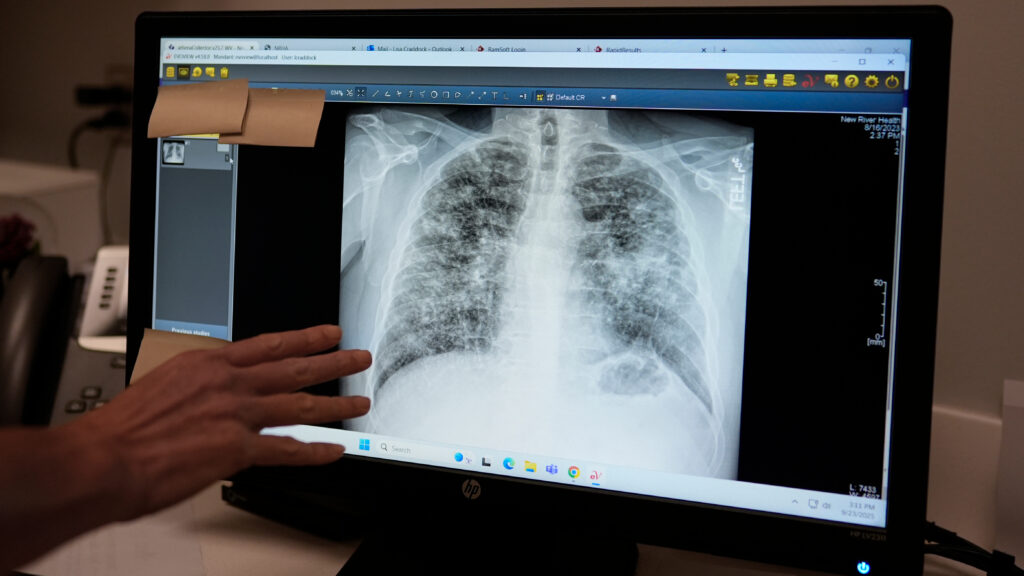
The Food and Drug Administration has granted breakthrough designation to two devices that use generative AI to interpret chest X-rays and draft the radiology reports typically written by human radiologists.
Machine learning systems have long analyzed images like X-rays and CT scans. But more recently, large vision language models have ushered in a new capability. Instead of highlighting a spot for a radiologist to review and write up, generative AI can process the entire image and draft many of its findings for a radiologist to review — a technological advancement that is challenging traditional validation and regulatory frameworks.
In March, one breakthrough designation went to Cognita, a Stanford researcher-founded startup acquired late last year by the large radiology practice Radiology Partners. Radiology AI company Aidoc announced its own breakthrough designation Thursday for a tool called First Read, specifically when it is used to detect and describe four life-threatening findings.

This article is exclusive to STAT+ subscribers
Unlock this article — and get additional analysis of the technologies disrupting health care — by subscribing to STAT+.
Already have an account? Log in
View All Plans
PakarPBN
A Private Blog Network (PBN) is a collection of websites that are controlled by a single individual or organization and used primarily to build backlinks to a “money site” in order to influence its ranking in search engines such as Google. The core idea behind a PBN is based on the importance of backlinks in Google’s ranking algorithm. Since Google views backlinks as signals of authority and trust, some website owners attempt to artificially create these signals through a controlled network of sites.
In a typical PBN setup, the owner acquires expired or aged domains that already have existing authority, backlinks, and history. These domains are rebuilt with new content and hosted separately, often using different IP addresses, hosting providers, themes, and ownership details to make them appear unrelated. Within the content published on these sites, links are strategically placed that point to the main website the owner wants to rank higher. By doing this, the owner attempts to pass link equity (also known as “link juice”) from the PBN sites to the target website.
The purpose of a PBN is to give the impression that the target website is naturally earning links from multiple independent sources. If done effectively, this can temporarily improve keyword rankings, increase organic visibility, and drive more traffic from search results.